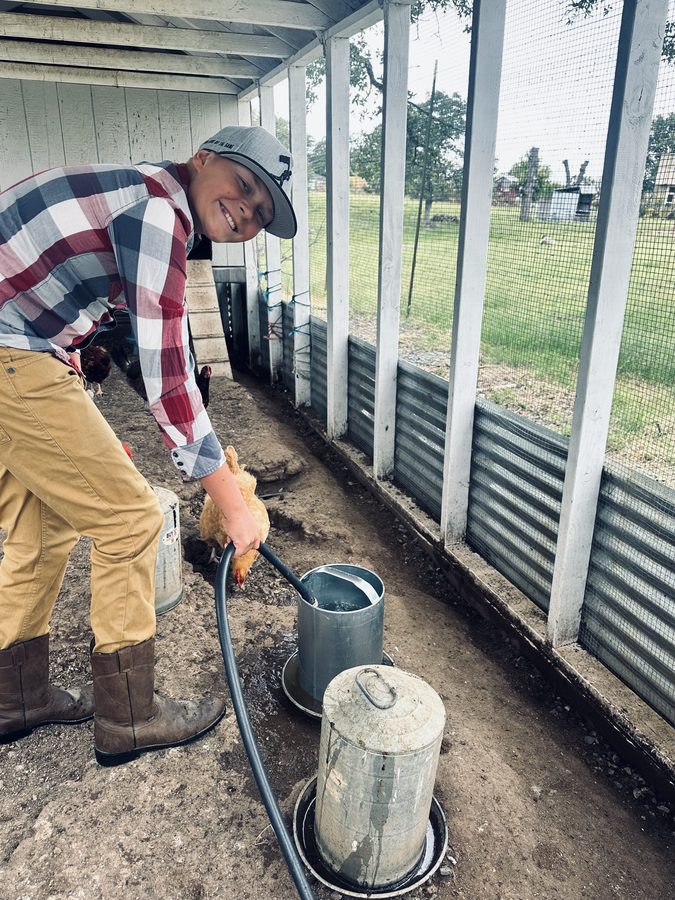
What I Learned About Brooders
The first week with chicks taught me more about temperature than I learned all of last year. Here's what I got right, what I got wrong, and what surprised me.
The lab report is in. 317 mg of omega-3 per 50 g egg, independently tested by Eurofins. Orders open November 1. Read the full report
Three generations. One promise.
A small family farm in Placerville, California — where Bryce Vachel Clack is carrying forward a legacy started by his great-grandfather, a chicken farmer in Indiana. Pasture-raised hens, a flax-based ration, and eggs delivered with the kind of care a name like Vachel deserves.
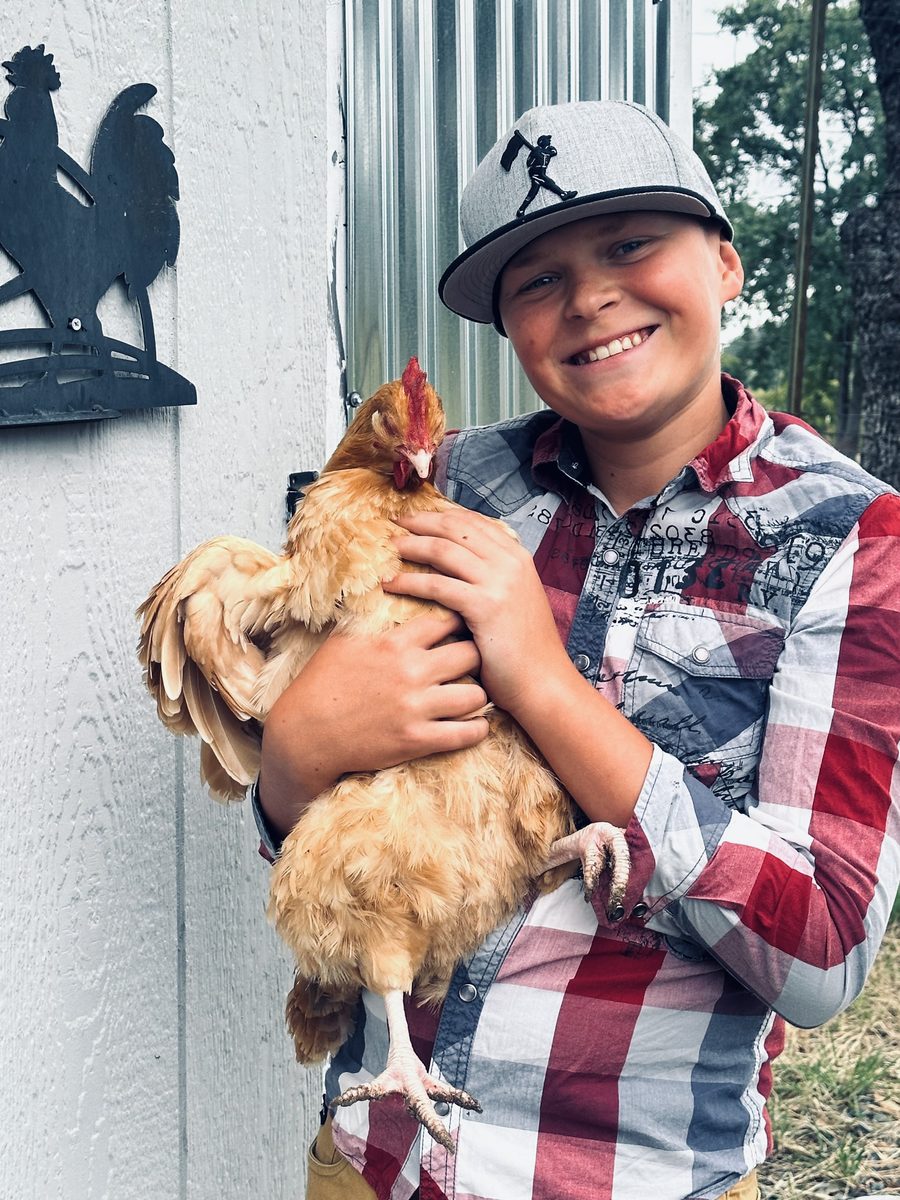
Bryce is fourteen, a freshman, and a first-year FFA member. His middle name — Vachel — comes from his great-grandfather, a chicken farmer in Indiana who built a quiet life on early mornings, honest work, and a deep respect for the animals he tended.
When Bryce chose his FFA project, he chose chickens. Not because it was easy, but because it was personal. The hens in his care today live more than two thousand miles from the Indiana farm that came before them — but the standard is the same.
"He wanted his project to mean something. Naming it Vachel was his idea."
Vachel Heritage Egg Co. is Bryce's business. He cares for the flock, grades the eggs, manages the books, and meets the customers. His parents handle the legal and regulatory side — because that's how a fourteen-year-old responsibly runs a real business — but every dozen that goes out the door has his hands on it.
That's the promise. Three generations. One name. Eggs you can trust.
We made deliberate choices about how our hens are raised and what they're fed — because those choices show up on your plate. Here's what makes a Vachel egg different.
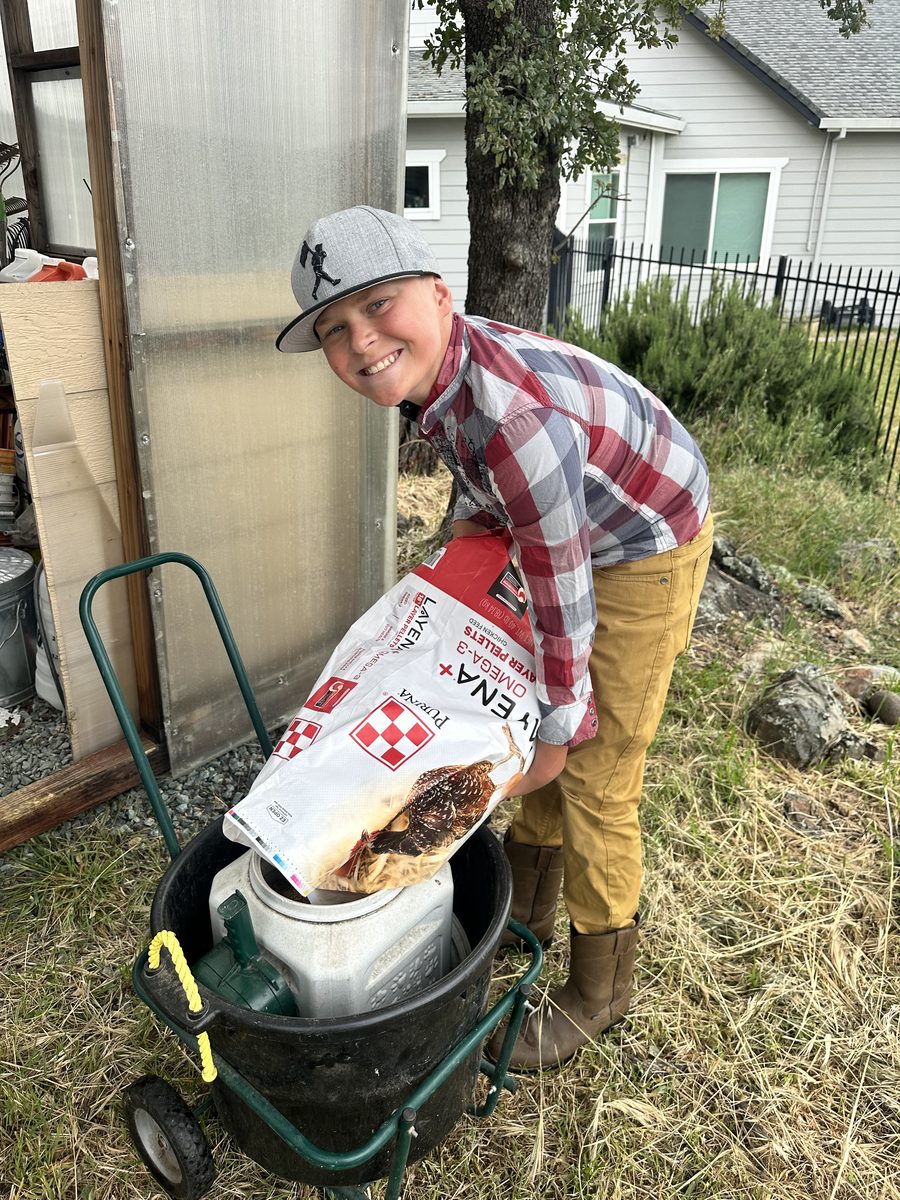
Our hens eat Purina Layena + Omega-3, a layer ration built around flaxseed. In September 2026 we sent our eggs to Eurofins, an independent accredited lab, to find out how much of that reaches the egg. The answer: 317 mg of omega-3 fatty acids per 50 g egg, including 109 mg of DHA. The full report is published below.
Our flock spends real time outside on a working family farm in the Sierra Foothills. Sunshine, dirt baths, and room to behave like chickens — not crowded barns, not concrete floors.
Every dozen is candled, graded, and dated by hand. We're registering as a CDFA Egg Handler, which means our packaging, refrigeration, and labeling are built to California's standards — not just our own.

In September we sent a sample of our eggs to Eurofins Nutrition Analysis Center in Des Moines, Iowa — an ISO 17025 accredited food-testing laboratory we chose, paid, and had no say over. They measured the full fatty-acid profile. This is what came back.
317 mg of omega-3 fatty acids per 50 g egg — ALA 181 mg, DHA 109 mg, DPA 20 mg.
Report AR-26-QD-261736-02 · Method AOAC 996.06 · Published in full, all four pages, unedited.
| Measure | Result |
|---|---|
| Total omega-3 fatty acids | 317.84 mg |
| ALA (alpha-linolenic acid, omega-3) | 180.92 mg |
| DHA (docosahexaenoic acid, omega-3) | 108.79 mg |
| DPA (docosapentaenoic acid, omega-3) | 19.74 mg |
| EPA (eicosapentaenoic acid, omega-3) | below reporting limit (<10 mg) |
| Total omega-6 fatty acids | 841.88 mg |
| Oleic acid (omega-9) | 1,838.76 mg |
| Monounsaturated fat | 2.11 g |
| Polyunsaturated fat | 1.17 g |
| Saturated fat | 1.63 g |
| Total fat | 5.17 g |
Eurofins Nutrition Analysis Center, report AR-26-QD-261736-02, method AOAC 996.06 (mod.), ISO/IEC 17025:2017 accredited. Results relate to the sample tested.
Omega-3 fatty acids are a family. Ours come in three forms the lab could measure: ALA, the plant form that flaxseed supplies; and DHA and DPA, the long-chain forms found in fish. Roughly 57% of the omega-3 in this sample is ALA and 34% is DHA. Omega-6 to omega-3 works out to about 2.6 to 1.
We make no claims about what any of this does for you. That's a conversation for you and your doctor. We're publishing the numbers because we said we would.
This is one sample from one week in September. The sample warmed to 23.5 °C in transit; Eurofins flagged it and asked whether to proceed. We said yes, and we're telling you. The next sample ships on ice.
We retest about twice a year and publish every report, good or bad. Orders open November 1, 2026 — the first cartons go to the waitlist.
Two ways to get your eggs once orders open on November 1. Most families pick a weekly rhythm — same day every week, no thinking required. If you'd rather order one carton at a time, that's good too.
Pick a weekly subscription size, or place a one-time order.
Pick up at the farm on Saturdays, or get them delivered locally.
Hand-graded, dated, and packed the day before they reach you.
Going on vacation? Skip a week from your subscription. No fees.
Choose the size that fits your family. Cancel, pause, or change tiers anytime. Farm pickup is free. Local Placerville delivery is $5 a week, included with The Homestead.
Launch pricing — orders open November 1, 2026. Prices may change before launch.
Not ready to subscribe? From November 1, you'll be able to buy eggs one carton at a time. Same hens, same hands, same standard.
Available subject to flock production. Pickup at the farm or local Placerville delivery (delivery $5 flat for single cartons). Orders open November 1, 2026.
Join the waitlistThis isn't just a business — it's an FFA project. Each week, Bryce shares what he's learning about animal care, running a small business, and the people behind the eggs.
The first week with chicks taught me more about temperature than I learned all of last year. Here's what I got right, what I got wrong, and what surprised me.
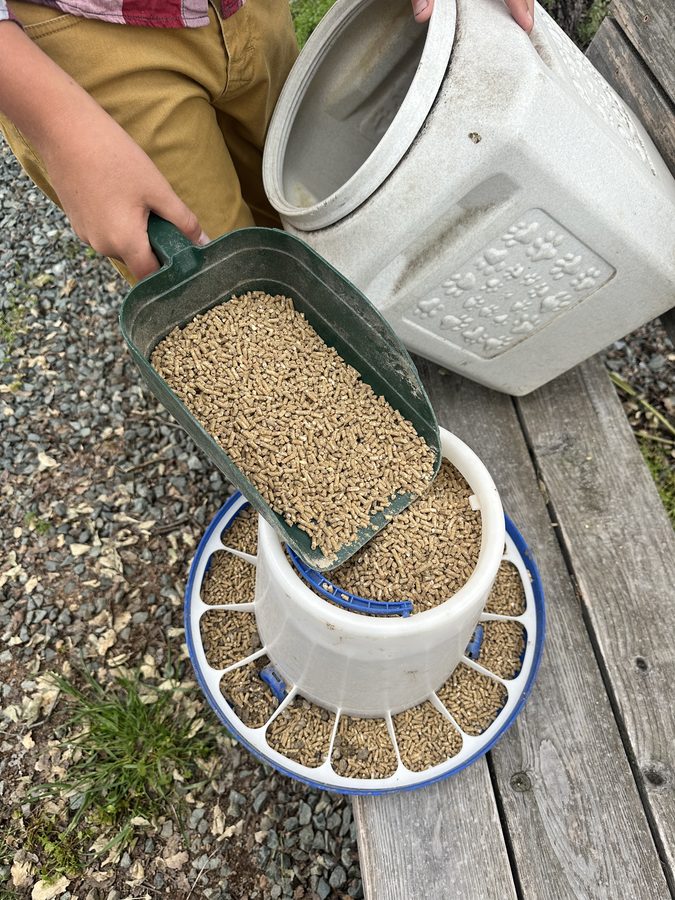
Feed costs, infrastructure, hours of work. My dad walked me through how to actually figure out if I'm making money — and the answer wasn't what I expected.
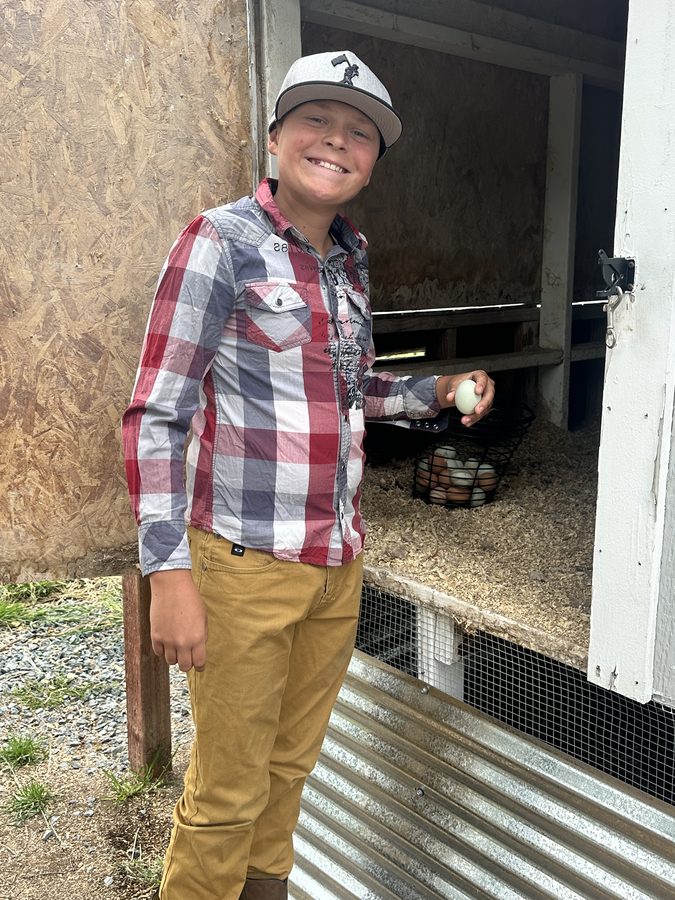
I was nervous to ask. It turns out people want to support local kids running small businesses — but only if you make it easy for them to say yes.
We're tucked into the foothills outside Placerville, California — chickens, a donkey, sheep, and a Great Dane who thinks he's a working farm dog. The animals are real. The mornings are early. The sunrises over the Sierras don't get old.
Vachel Heritage Egg Co. operates as part of the Backyard Bougie family of brands. Mike and Kristie Clack — Bryce's parents — run the legal, regulatory, and financial side as the registered business of record. Bryce runs the rest.
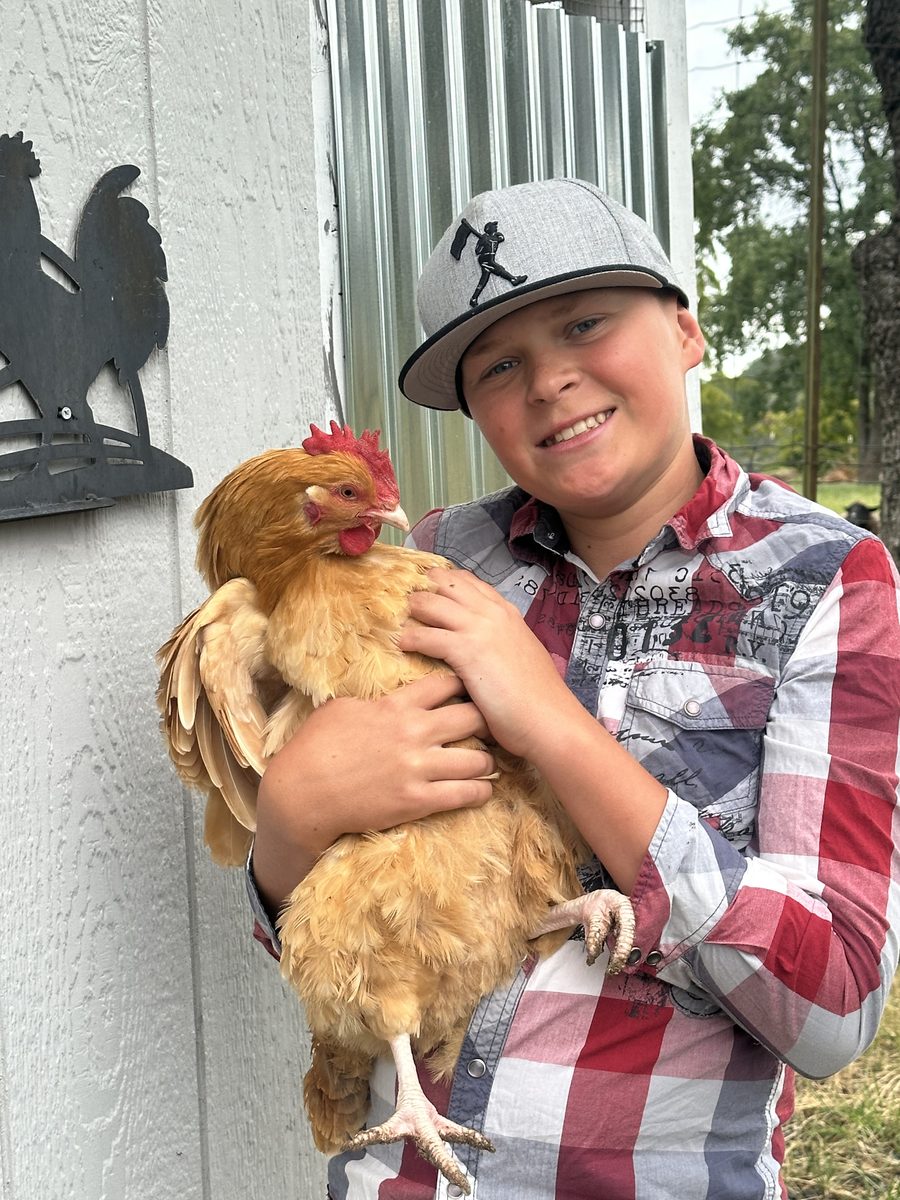
Orders open November 1, 2026. Leave your details and you'll get one email the morning orders open, with the link — nothing else.
You're on the list.
One email the morning orders open on November 1 — nothing else.